What is a Safety Culture?
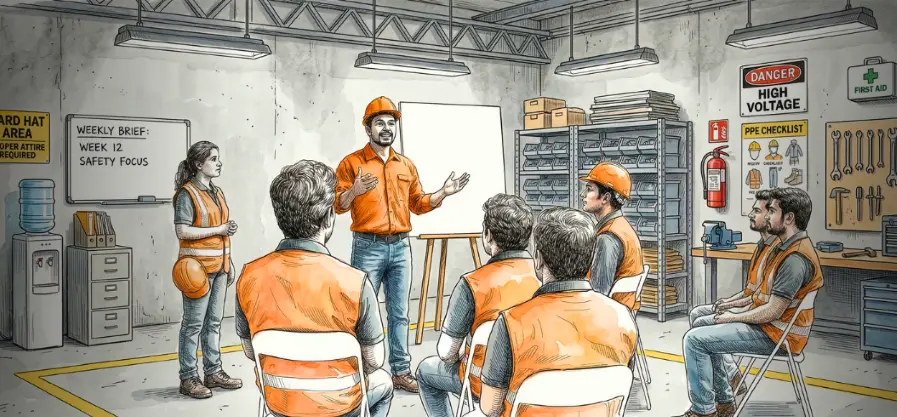
A safety culture is not defined by policies or procedures alone. It reflects how people think, behave, and act when it comes to safety – especially when no one is watching.
In simple terms:
- Safety systems are documented
- Safety culture is demonstrated
Understanding what is safety culture in the workplace is the first step towards building a resilient organisation.
Safety Culture Definition – A Practical View
A practical safety culture definition is:
The shared values, beliefs, and behaviours that determine how safety is managed and prioritised across an organisation.
A positive safety culture exists when:
- employees take ownership of safety
- reporting is transparent and encouraged
- leadership actively engages with frontline teams
- safe behaviour is consistent – not situational
Why Safety Systems Alone Do Not Create a Safe Workplace Culture
Most organisations already have:
- SOPs and procedures
- audits and inspections
- dashboards and KPIs
- PPE and compliance frameworks
Yet gaps persist in the actual workplace safety culture.
The issue is rarely a lack of systems.
The issue is the absence of embedded behaviour.
This is where the difference between:
- h&s culture
- and a truly safe work culture
becomes evident.
Safety Culture vs Safety Climate – What’s the Difference?
Many organisations confuse safety culture with safety climate.
- A snapshot of employee perceptions at a given time
- Often measured through surveys
- Deep-rooted behaviours and beliefs
- Built over time through leadership and reinforcement
The Safety Culture Maturity Model
Reactive, fear-driven, low reporting
Compliance enforced, firefighting approach
Strong documentation, weak behavioural consistency
Improved reporting, visible leadership
Peer accountability, embedded behaviour
Most organisations operate at Stage 3 – with systems in place, but culture not fully internalised.
Safety Culture Examples (What Good Looks Like)
Understanding what is a good safety culture becomes easier through practical indicators.
Strong Safety Culture Examples
- Workers report near-misses without fear
- Supervisors engage beyond compliance
- Unsafe work is stopped proactively
- Safety conversations are frequent and open
- Behaviour remains consistent without supervision
This reflects a truly safe workplace culture.
The Safety Culture Assessment Checklist (10-Point Diagnostic)
Use this safety culture assessment checklist to evaluate your organisation.
- Are near-misses reported without fear?
- Do leaders actively engage on the shop floor?
- Is Behaviour-Based Safety used for coaching – not punishment?
- Are checklists completed authentically?
- Is safety communication two-way?
- Is the budget protected under pressure?
- Are contractors aligned with the same standards?
- Are root causes analysed beyond human error?
- Do employees act safely without supervision?
True culture transformation requires structured behavioural reinforcement.
This is where:
The Role of BBS in Safety Culture
- reinforces safe behaviours
- improves observation quality
- enables coaching-based interventions
- builds peer accountability
The Hidden Risk: The Safety Perception Gap
One of the biggest barriers to a strong positive safety culture is misalignment:
- Management believes: safety is proactive
- Shop floor experiences: safety is reactive
This gap leads to:
- underreporting
- “pencil-whipped” data
- hidden operational risks
Introducing Consultivo’s SMILe™ Safety Framework
Consultivo’s proprietary SMILe safety approach measures what traditional systems cannot:
👉 perception
👉 behaviour
👉 cultural alignment
Unlike standard audits, it captures reality – not assumption.
Start your SMILe journey today
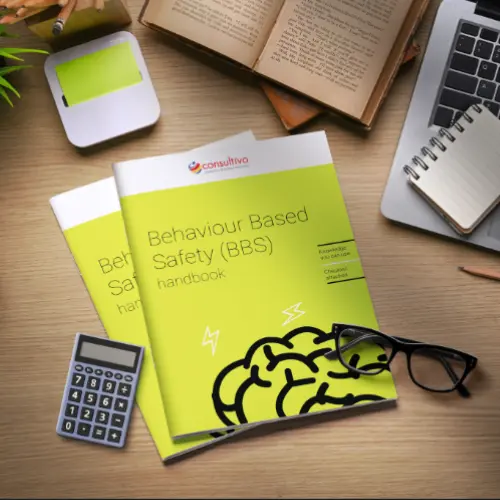
Download the Safety Culture Reality Check Handbook
If you want to move beyond assumptions and understand your true position:
👉 Download the Safety Culture Reality Check
What You’ll Get:
Frequently Asked Questions
Why is a safety culture checklist important?
It helps organisations move from assumptions to evidence-based understanding of safety performance.