In today’s rapidly changing business environment, the distinction between competence and skills has become the cornerstone of effective human resource management.
While a “skill” is the specific ability to perform a task (like data entry or operating a machine), “competence” is the holistic integration of skills, knowledge, and attitude required to deliver a business result.
For organisations aiming for sustainable growth, bridging the gap between potential and performance is no longer an HR “luxury”—it is a core business requirement.
The Psychology of Development: Why Competence and Skills Matter
Human beings possess an innate drive for self-improvement. We naturally seek a “better self” through perpetual learning. When an organisation extends opportunities for training and developing competence and skills, it addresses a fundamental psychological need.
If employees see no future or growth in their current position, they leave. Research suggests that over 40% of employees would consider leaving their current employer for another job with the same benefits if that new role offered better career development and greater challenges.
Effective competency management is, therefore, one of the most powerful tools for talent retention.
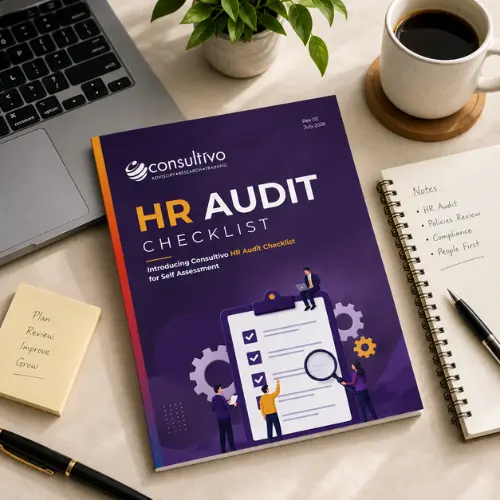
To ensure these development frameworks are both impactful and legally sound, many firms start with a professional HR audit or a review of hr statutory compliance.
The Strategic Role of Competence and Skills
To build a high-performing team, you must first define what success looks like. This is the primary goal of competency mapping.
What do Competence Mapping Consultants do?
Specialist competence mapping consultants work with leadership to identify the specific traits required for every job role. This involves:
- Defining Roles: Aligning job descriptions with actual business needs.
- Setting Standards: Creating a “Competency Dictionary” that lists the technical and behavioural standards for the company.
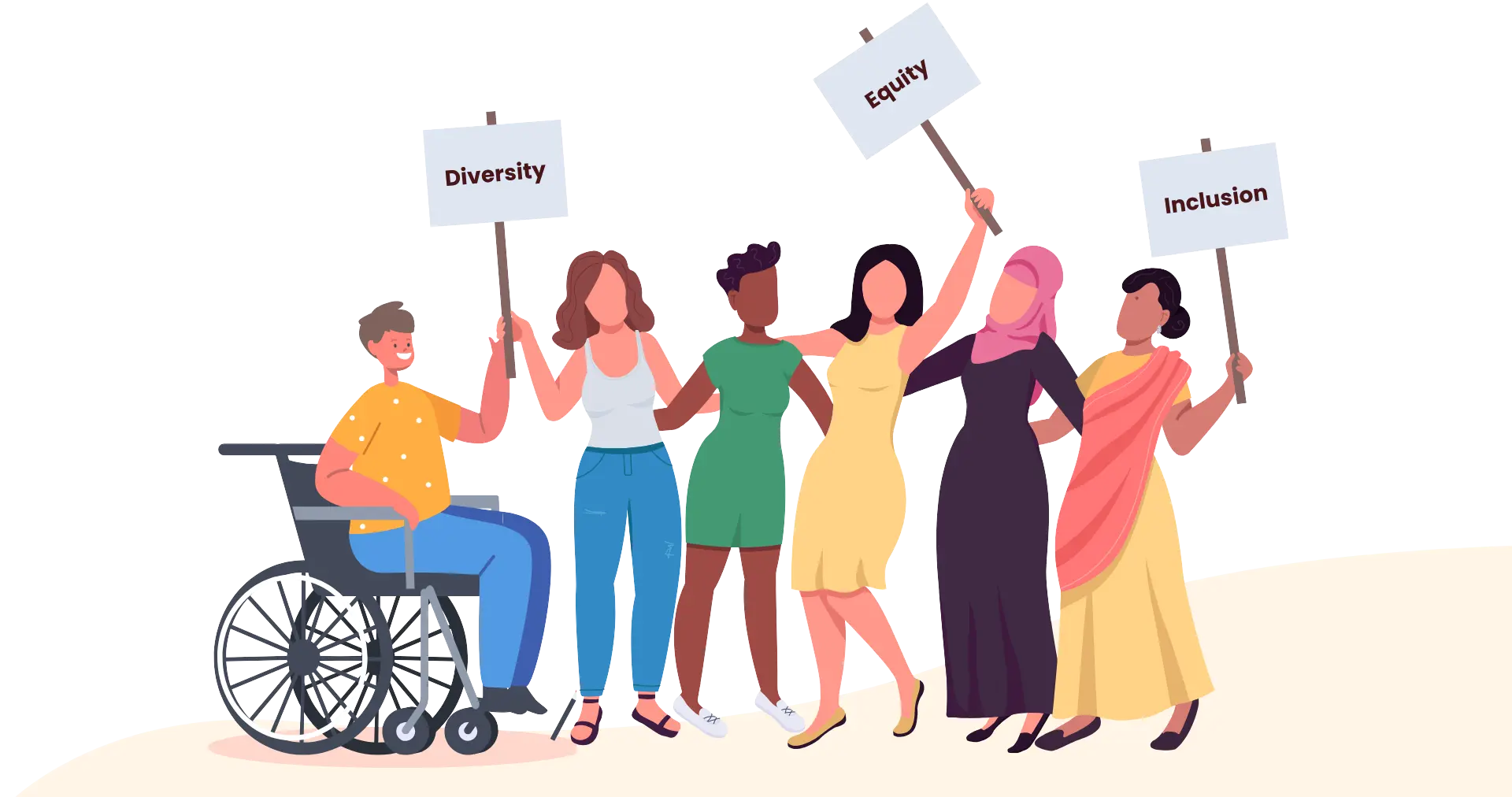
Alignment: Ensuring these competencies support broader goals like diversity and inclusion in the workplace.
The Power of Competency Assessment Consulting
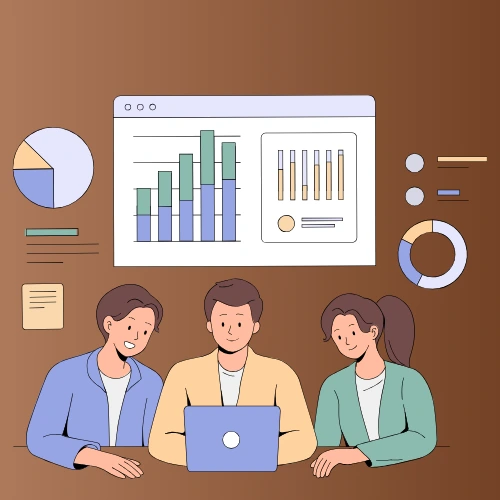
A map is only useful if you know where you currently stand. Through competency assessment consulting, organisations use scientific methods—such as Assessment Centres, psychometric testing, and in-basket exercises—to measure an individual’s actual ability against the role’s requirements.
A structured competency mapping and assessment process provides the data needed for:
- Succession Planning: Identifying who is ready for the next management layer.
- Targeted Training: Ensuring training budgets are spent only where a “skill gap” actually exists.
Fairness: Promoting diversity and inclusion at workplace (D&I) by basing promotions on objective data rather than subjective opinions.
Understanding the Crucial Link: Difference between Competence and Skills
While the terms are often used interchangeably, understanding the distinction between competence and skills is vital for any strategic HR audit. A skill is a specific, learned ability required to perform a task—such as proficiency in a coding language, data analysis, or operating heavy machinery.
Skills are the “building blocks” of performance; they are often technical, easily observable, and can be acquired through targeted training or repetition.
Competence, however, is the holistic ability to apply a combination of skills, knowledge, and behaviours to achieve a successful outcome in a real-world business context.
For example, while “active listening” is a skill, “effective conflict management” is a competence that requires listening, emotional intelligence, and decisive action.
By focusing on competency mapping, organisations can look beyond simple task-completion and instead measure how effectively an individual’s total attributes drive the company’s Values and Strategy.
The Real-World Difference: From Skills to Competence
To manage a workforce effectively, one must distinguish between “having a tool” (a skill) and “knowing how to build a masterpiece” (a competence). A skill is a discrete capability, while competence is the sophisticated orchestration of several skills, knowledge, and mindset to produce a business result.
Consider the role of a Project Manager:
- The Skills: They might be skilled in Communication (articulating thoughts clearly) and Data Analysis (reading a budget sheet). These are individual tools in their kit.
- The Competence: Their true value lies in Effective Stakeholder Negotiation. This competence requires them to use their communication skill to persuade, their data analysis skill to justify costs, and their emotional intelligence to navigate high-pressure conflicts.
At a Glance: Competence vs. Skills
DEI training by Consultivo Academy
From Static Reports to Managed Competence
Linking Competence to Corporate Responsibility
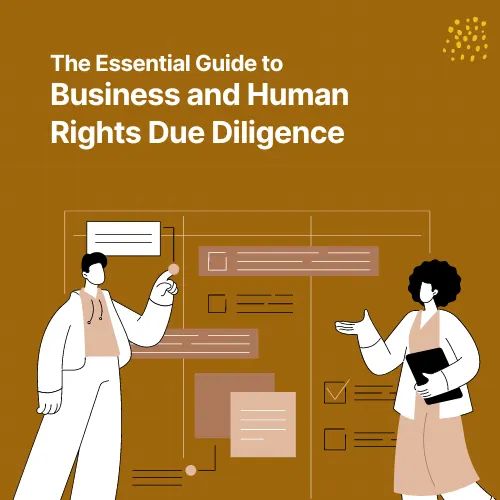
A robust competency framework also touches upon the “S” in ESG. It ensures that employees are treated fairly, their rights are respected, and they have a voice. This aligns perfectly with the principles of business and human rights (BHR).
Furthermore, a healthy workplace requires a strong grievance management system. Managers who are competent in soft skills are better equipped to handle conflicts, which is why grievance management training is often a critical output of a competency gap analysis.
Conclusion: Investing in the Future
Developing competence and skills is a mutually beneficial investment. The company gets a high-performing, agile workforce, and the employee gets a clear career path and professional dignity.
By integrating corporate training with a scientific approach to competency management, organisations can achieve “Responsible Business” status. Whether you are conducting an HR auditing exercise or launching a multi-departmental HR reporting initiative, the focus must always remain on the people who drive the business forward.
Ready to transform your talent into a competitive advantage? Explore our full range of competency mapping and assessment solutions or contact our experts to learn about our managed services.