Why use an EHS audit checklist
An EHS audit checklist does three things a memory or a walkaround cannot. It makes your review consistent, so every site is judged against the same questions. It makes findings comparable, so you can benchmark one location against another and track progress year on year. And it makes the audit defensible — every conclusion is tied to a specific question and a piece of evidence, which matters for board reporting and for ESG disclosure.
Used well, a checklist is not a tick-box exercise. It is the backbone of a real audit: each item is a prompt to look for evidence, talk to people, and judge whether the control actually works in practice.
Ready to take the first step?
Explore Consultivo’s ISO 26000 Training Courses designed to drive real change.
How to use this checklist
Before you start, set three things:
- Scope. Decide which site, areas and activities are in and out. A typical scope is “core operations and supporting utilities within the site boundary”.
- Evidence, not opinion. For each item, ask “how do I know?” Look for the document, the record, the physical condition, or the worker who can explain it. A yes without evidence is not a yes.
- A simple rating. Beyond pass/fail, rate how mature each area is — for example on a 1-to-5 scale from “absent” to “optimising”. This separates “we are compliant today” from “we have a system that keeps us compliant”.
Tip: Run the checklist in the order below. It moves from leadership and paperwork through to the shop floor, which mirrors how a professional audit flows — documents first, then verify on site.
The EHS audit checklist
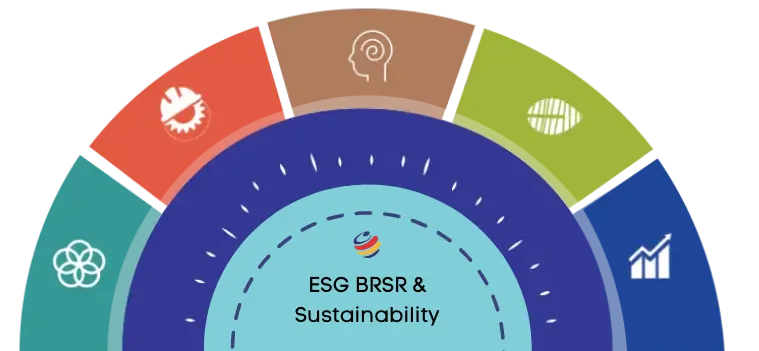
The checklist is organised into six sections that together cover every dimension of EHS. Copy it, adapt the wording to your site, and add sector-specific items where you need them.
A note on HSE audit checklists
If you searched for an HSE audit checklist rather than an EHS one, you are in the right place. HSE (Health, Safety and Environment) and EHS (Environment, Health and Safety) describe exactly the same scope — the order of the letters simply varies by region and industry, with HSE more common in oil, gas and the Middle East. The six-section checklist above works for both.
Five common mistakes
- Treating it as a tick-box. Ticking “yes” without seeing evidence defeats the purpose. Always ask “how do I know?”
- Checking paperwork only. A procedure on a shelf is not a control on the floor. Verify that what is written is what actually happens.
- Ignoring maturity. A site can be compliant today yet fragile — one key person away from failure. Rate how embedded each system is, not just whether it exists.
- No prioritisation. A list of 40 findings with no ranking paralyses a team. Sort by risk and effort so people know what to fix first.
- No follow-through. An audit with no tracked actions is wasted effort. Assign owners and dates, and track every action to closure.
When to bring in an EHS auditor
A trained internal team can run this checklist for routine self-assessment. But there are moments when an independent EHS auditor adds value that an internal review cannot: when you need objectivity for board or investor reporting, when ESG and BRSR disclosure means your data will face external scrutiny, when a site is high-hazard, or when you simply want a credible outside view of where you really stand.
A professional audit also goes further than a checklist. It scores each area on two tracks — compliance and maturity — against the same six clusters used above, and turns the result into a decision-ready report for leadership and a practical action plan for your team. You can read how that works on our EHS audit services page.