Safety and Reliability in Safety Culture: Where Systems Meet Human Performance
Safety and reliability go beyond legal compliance.
A PDCA-based Safety Management System such as ISO 45001 provides structure and governance.
Human performance principles ensure these controls work during real operations.
For reliability in safety, organisations need:
- Clear processes that define safe work expectations
- Competent people who can work safely under pressure
- Leadership that reinforces safety through action, not slogans
- Systems that promote reporting, learning, and improvement
- A culture that focuses on prevention, not blame
This is where safety and reliability come together in practice.
The Two-Pillar Model of Safety and Reliability in Safety Culture
A predictable safety culture rests on two equally important pillars:
Systems and Behaviour.
Pillar 1: The Conventional System Pillar for Reliability and Safety
This pillar is built on a formal OHSMS, commonly aligned with ISO 45001.
It uses the PDCA cycle — Plan, Do, Check, Act — to manage hazards and risks.
Key system elements include:
- Hazard Identification and Risk Assessment (HIRA)
- Evaluation of probability and severity
- Control selection using the hierarchy of controls
- Residual risk management
- Management of high-risk tasks using:
- CTA (Critical Task Analysis)
- JSA (Job Safety Analysis)
- LOTO (Lock Out Tag Out)
- Permit to Work systems
- Fatality Prevention Elements (FPE)
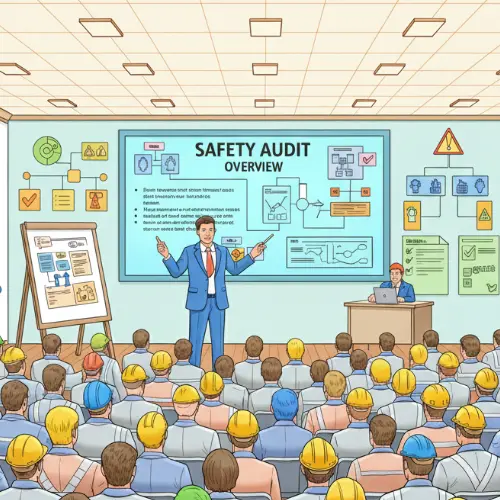
- Safety audits, inspections, surveys, and reviews
Strong systems improve baseline safety performance.
However, systems alone cannot guarantee reliability and safety.
A conventional OHSMS cannot, by itself, create a positive safety culture.
The Challenge: Bridging System Design and Human Behaviour in Safety and Reliability
The main challenge in safety culture is managing the interaction between:
- Robust systems and procedures
- Variable human behaviour
Even the best-designed safety system will fail if:
- Unsafe acts are repeated
- Unsafe conditions are ignored
- Deviations become normal
Most incidents involve unsafe acts and unsafe conditions.
Behaviour plays a critical role in safety outcomes.
This is why managing at-risk behaviour is essential for reliability in safety.
Heinrich’s Triangle: A Statistical Case for Reliability and Safety
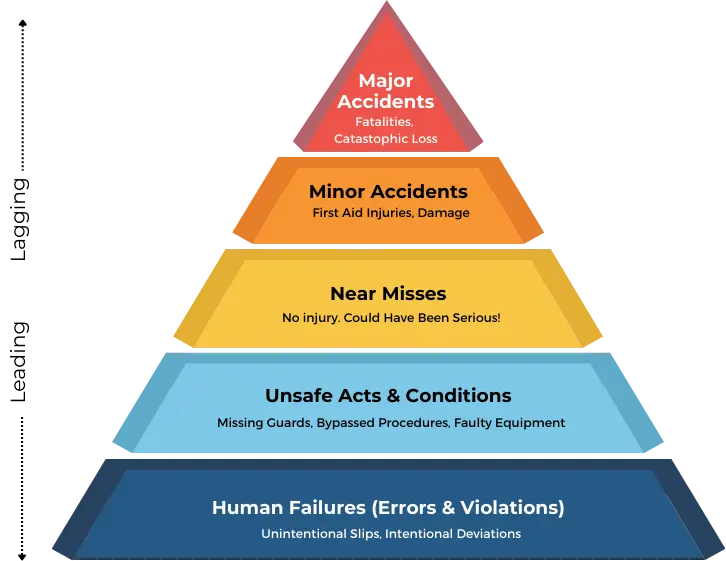
Heinrich’s Accident Triangle explains why focusing only on serious accidents does not improve safety performance.
The model shows that:
- For every major injury, there are many minor injuries
- Below these are hundreds of near misses
- At the base are unsafe acts and unsafe conditions
Classic ratios suggest:
- 1 serious injury
- 29 minor injuries
- 300 near misses or no-injury events
To improve safety and reliability, organisations must control the base of the pyramid.
The Solution: Reliability by Design in Safety Through Behaviour-Based Safety
This is where Behaviour-Based Safety (BBS) becomes critical.
BBS focuses on:
- Unsafe acts
- Unsafe conditions
- Everyday behaviours that create risk
By reducing unsafe behaviour, the entire accident triangle shrinks.
This improves safety performance and prevents severe incidents.
Pillar 2: The Behavioural Pillar for Reliability and Safety
The behavioural pillar strengthens how people interact with systems.
It includes:
- Behaviour-Based Safety approaches
- The ABC model (Antecedent, Behaviour, Consequence)
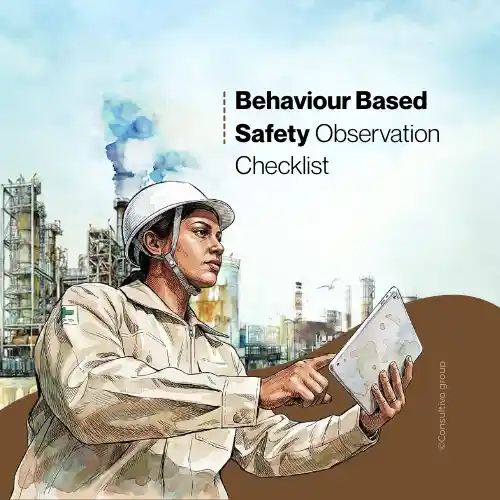
- Structured behaviour-based safety observations
- Feedback and coaching
- Fair consequence management
- Trend analysis of unsafe acts and unsafe conditions
Advanced organisations also use:
Together, these tools reduce human error and improve reliability in safety.
Elements of a Robust Safety and Reliability Culture
A strong safety culture works like an iceberg.
Some elements are visible. Others are hidden but more powerful.
Visible Elements of Safety and Reliability (Above the Waterline)
These are easy to observe and measure:
- Safe work behaviours
- Compliance with procedures
- Use of PPE
- Participation in safety observations
- Reporting of hazards and near misses
Invisible Elements of Safety and Reliability (Below the Waterline)
These elements drive visible behaviour:
- Values that prioritise safety over speed or cost
- Trust in reporting without fear of blame
- A proactive mindset towards risk
- Care and empathy between colleagues
- Belief that zero harm is achievable
A mature safety culture ensures both layers work together.
From HIRA to HOP: Building Predictable Safety Performance and Reliability
Predictable safety performance improves when systems and behaviour align.
This requires:
- HIRA to identify hazards and controls
- Behavioural insights to ensure controls are followed
- HOP to support learning from failure
- Leadership that reinforces safe choices
Tools like HEART and THERP further improve reliability by reducing human error during critical tasks.
This integration reduces variability and improves safety and reliability.
Safety as a Capability: Controls, Conversations, and Consequences
A mature organisation treats safety as a capability, not a programme.
This capability rests on three elements:
Controls for Reliability and Safety
Controls form the foundation.
They must be well designed, verified, and maintained.
Conversations That Strengthen Safety Culture
Regular safety conversations build trust:
- Coaching and feedback
- Toolbox talks
- Safety interventions
- Post-task reviews
Consequences That Reinforce Reliability and Safety
Positive reinforcement and fair accountability shape behaviour.
Consistency is critical.
Together, these elements create a positive safety culture.
The Anatomy of Safety and Reliability Culture
A reliable safety culture is shaped by:
- Visible leadership commitment
- Skilled and competent teams
- Clear controls for high-risk work
- Reporting systems that promote learning
- Safety culture surveys
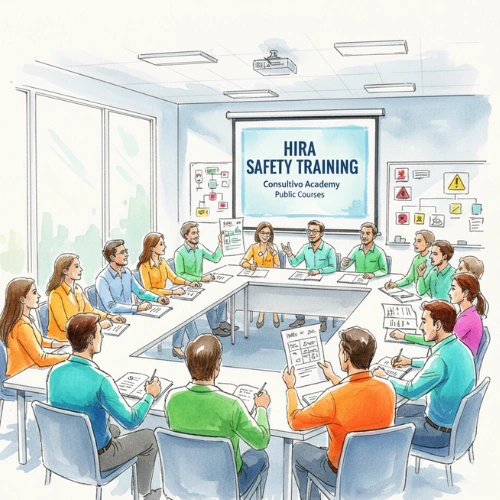
- Capacity-building programmes such as BBS safety training
- Safe workplace design
- Strong operational discipline
When aligned, these drivers create a resilient safety culture.
Start your SMILe journey today
Role of Training in Safety and Reliability Culture
Training is essential for building capability.
Effective programmes cover:
System and Technical Training
- Safety leadership skills
- Conducting structured safety interactions
- Reinforcing positive safety culture
Training moves safety from awareness to skill.
Capacity building moves it from compliance to practice.
How Behaviour-Based Safety Improves Safety and Reliability
A strong BBS programme:
- Improves observation quality
- Reduces unsafe behaviour
- Strengthens learning from near misses
- Enables early risk identification
It shifts organisations from reactive to proactive safety management.
This is essential for a mature and reliable safety culture.
Connecting Safety Culture to Operational Reliability
A strong safety culture delivers benefits beyond compliance:
- Lower operational variability
- Higher productivity
- Reduced downtime
- Improved ESG outcomes
- Better workforce morale
- Stronger audit performance
- Lower accident-related costs
- Organisations with strong safety culture also show higher trust and transparency.
Organisations with strong safety culture also show higher trust and transparency.
Safety and Reliability as a Long-Term Strategy
Safety culture is a reliability strategy.
It is not a single initiative.
Organisations that integrate:
- Robust systems
- Human performance
- Leadership behaviour
create a predictable and sustainable safety culture.
This shift towards reliability by design in safety, integrating systems and behaviour, is a defining trend in safety excellence today.